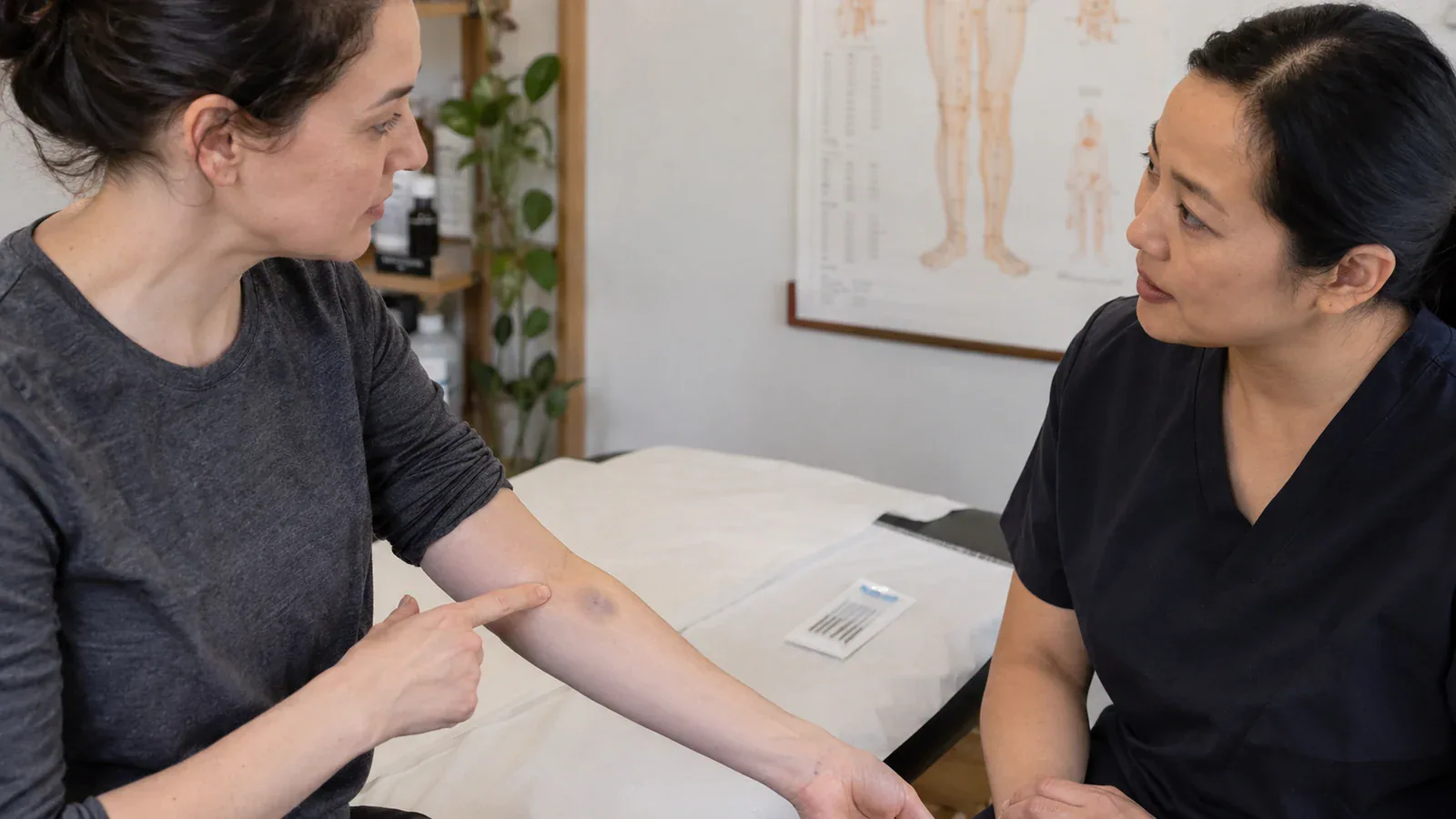
Acupuncture can cause temporary effects such as a small bruise, a little bleeding, soreness, tiredness or lightheadedness. Serious complications are uncommon, but they can happen, particularly when needles are placed or handled improperly. Before treatment, ask the practitioner what effects are possible for the areas being treated, what precautions apply to you and when to seek help. An article can prepare those questions; it cannot decide whether a symptom after your own appointment is harmless.
At our clinic, acupuncture has its own assessment and booking route. This guide focuses on informed consent and aftercare. Our acupuncturist can explain what your appointment involves and discuss a treatment plan with you. Do not use a list of possible side effects to self-diagnose a condition or delay urgent care.
At a glance
- Mild bruising, spot bleeding, soreness, fatigue, nausea or a headache can occur after needling.
- Tell the acupuncturist about medications, bleeding concerns, pregnancy, implants, health changes and past reactions before treatment.
- Ask what sensations to report immediately during the appointment and what to do if you feel faint.
- New severe symptoms, especially chest pain or breathing difficulty, need urgent medical assessment.
- You can pause or decline a needle or a proposed technique; ask about alternatives.
Which effects are commonly described?
The University College London Hospitals patient guide describes temporary drowsiness, an increase in pain, minor bleeding or bruising, nausea and headache among possible effects in its acupuncture service. Use these examples to discuss possible effects with your acupuncturist; your aftercare advice should reflect your treatment. Mayo Clinic’s acupuncture overview also describes soreness and minor bleeding or bruising at needle sites.
These are possibilities, not signs that treatment has worked or that every person will experience them. Ask how long the practitioner expects a mild effect to last in your situation and what change would be unusual. A symptom that is new, intense or getting worse deserves advice even if you have read that a milder version sometimes occurs. Tell the practitioner about previous fainting or nausea with needles so they can plan appropriately.
Can acupuncture cause an infection or a more serious injury?
Yes, although serious events are less common than minor temporary effects. The US National Center for Complementary and Integrative Health’s safety review warns that improper needling can cause infections, punctured organs and injuries to the central nervous system. That is why practitioner training, anatomy, sterile single-use needles and a clear response to problems matter. Do not assume that a treatment is risk-free because it uses a very fine needle.
Ask who performs the procedure, how needles are stored and disposed of, which areas will be treated and how the practitioner manages a concern during or after a session. A serious complication is not something to investigate by reading a list of ordinary after-effects. If you experience chest pain, trouble breathing, severe weakness or another urgent symptom, seek emergency medical care and explain that you recently had needling.
What should I tell the practitioner before treatment?
Bring a current list of medicines and relevant health conditions. In particular, mention medicines that affect bleeding, a bleeding condition, pregnancy or the possibility of pregnancy, an implant or pacemaker, recent surgery, a weakened immune system and any previous reaction to needles. These details may change where, whether or how a practitioner treats you. Do not stop a prescribed medicine on your own to make acupuncture possible.
Tell the practitioner what you hope to address and what other care you are receiving. If the concern is new, severe or unexplained, ask whether medical assessment should come first. You can ask why a particular area or technique is proposed, what evidence is relevant to your concern and what alternatives are available. Consent should be a conversation about the actual plan, not a signature given before you understand it.
If the practitioner proposes electrical stimulation of the needles, ask how that differs from manual needling and whether an implant, pregnancy or another part of your history changes the decision. Do not assume that all acupuncture appointments use the same technique. Confirm what is planned for your visit and whether you would prefer a different starting point.

What if I feel dizzy or uncomfortable during the session?
Speak up immediately. You can ask for the treatment to pause or stop, whether a needle can be removed, and what the practitioner recommends next. You do not need to wait silently for a symptom to pass to be a cooperative patient. If you have fainted with needles before, tell our team ahead of time so the practitioner can discuss positioning and a plan.
Some people feel drowsy afterward. Ask whether it is sensible to rest before leaving and whether you should arrange a ride. The UCLH guide advises its own patients not to drive while drowsy; follow the judgment of the clinician treating you and do not drive when you do not feel safe. Before leaving, ask your acupuncturist to explain your aftercare instructions and how to contact us with questions.
How can I prepare for a first acupuncture appointment?
Bring your medication list, questions and any relevant advice from other clinicians. Ask whether to eat beforehand, what clothing makes the proposed treatment areas accessible and how much time the assessment and treatment will take. Do not copy another clinic’s timing or aftercare instructions: the appointment you select and the plan after assessment determine those details. If needles make you anxious, let the team know before they begin.
You can ask what the practitioner hopes to learn at the first visit, how they will decide whether to continue, and what alternatives exist if you do not want needling after the assessment. A treatment plan should be revisited if benefits do not appear or an effect is difficult to manage. No set number of sessions in a general article can predict the right course for one person.
What should I do if an effect continues after I go home?
Follow the instructions from your practitioner and contact them if the effect lasts longer than expected, becomes more painful or worries you. Describe where the symptom is, when it started, whether it is changing and any other symptoms. If you cannot reach us and the problem is significant, seek medical advice rather than waiting for the next appointment. A routine online contact form should not be assumed to be monitored for urgent concerns.
Do not label a strong reaction as “detox” or a necessary healing crisis. Ask for a plain explanation of what might be happening and whether the treatment plan should change. A later visit should not be booked automatically just because a course of treatment was suggested before the reaction occurred.
Is acupuncture the same as dry needling?
Both use thin needles, but they can differ in assessment, professional training and treatment framework. The effects and precautions should be explained for the specific technique and body area, not assumed to be identical because a needle is involved. If you are choosing between services, read the dry needling service page as well as the acupuncture page and ask each practitioner what they would recommend for your concern.
The question “which one has fewer side effects?” cannot be answered for everyone from a general article. It depends on the clinician, technique, site, your health and what you would count as an acceptable trade-off. You are allowed to choose a non-needle starting point after discussing your options.
What should I ask before booking in Winnipeg?
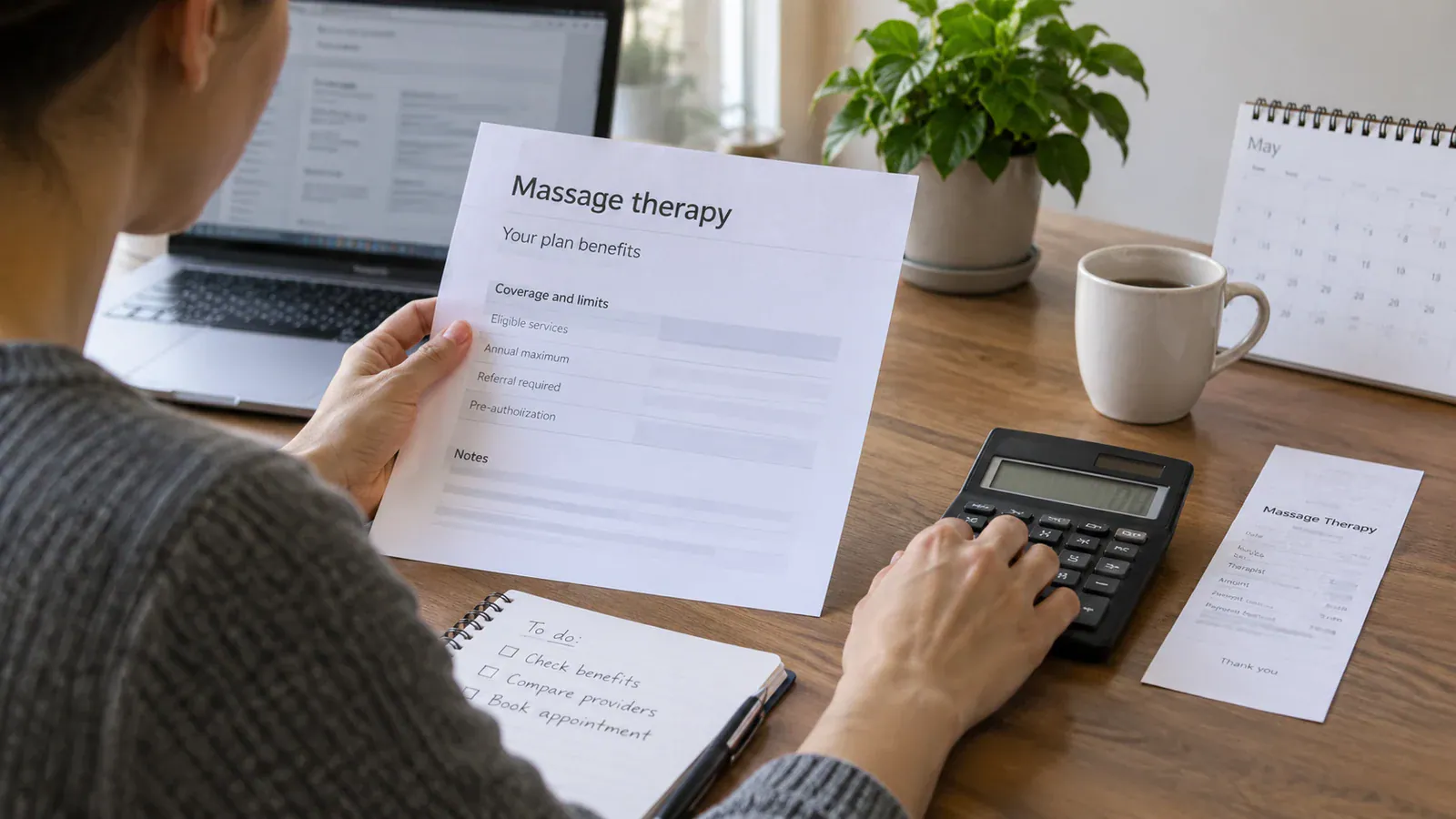
Ask who currently provides acupuncture, what their training and professional designation are, what the first assessment involves, what techniques may be proposed, what the fee is and what your plan reimburses for acupuncture. Our Oksana Unilowsky profile explains her background and approach. Ask our team about the appointment that fits your needs. Oksana is eligible for insurance coverage, and we offer direct billing with all listed insurers. Check your plan’s acupuncture benefits, limits and referral requirements.
You can visit our clinic, serving Garden City and North Winnipeg, at 770 Leila Avenue, Winnipeg. Contact our team if you have a question about the current provider or booking choice. The practitioner can explain our informed-consent and aftercare process before you decide whether to book online.