Dry needling can feel different from person to person and from one treatment area to another. Some people notice a brief prick, pressure or muscle twitch while a needle is placed; soreness afterward is also possible. Others feel little at the insertion. A clinician should explain the proposed technique, check your comfort and respond when you ask to pause. You do not need to tolerate pain silently for a treatment to be worthwhile.
This guide helps you prepare for a conversation about sensations, safety and alternatives. It cannot predict exactly what you will feel or decide whether needling is appropriate for your condition. At our clinic, we offer dry needling as one option within athletic therapy and related physical care, not a compulsory step for every person with muscle pain.
At a glance
- A thin needle may cause a quick prick or a deep, brief ache; some people notice a twitch.
- The area may be sore or bruised afterward. Ask what amount and duration the clinician expects in your case.
- Sharp, persistent or worsening symptoms need a clear response plan, not an instruction to push through.
- Tell the practitioner about health conditions, medications, pregnancy, needle concerns and previous reactions before treatment.
- You can ask about non-needle options and decline or stop the technique.
What does the needle feel like going in?
The needle is thin and contains no medicine. In Cleveland Clinic’s dry-needling patient guide, some people barely notice insertion while others feel a prick or discomfort, especially when a sensitive area is involved. A clinician may work in or near a tender muscle area. The exact sensation depends on the location, technique, your sensitivity and what is being treated.
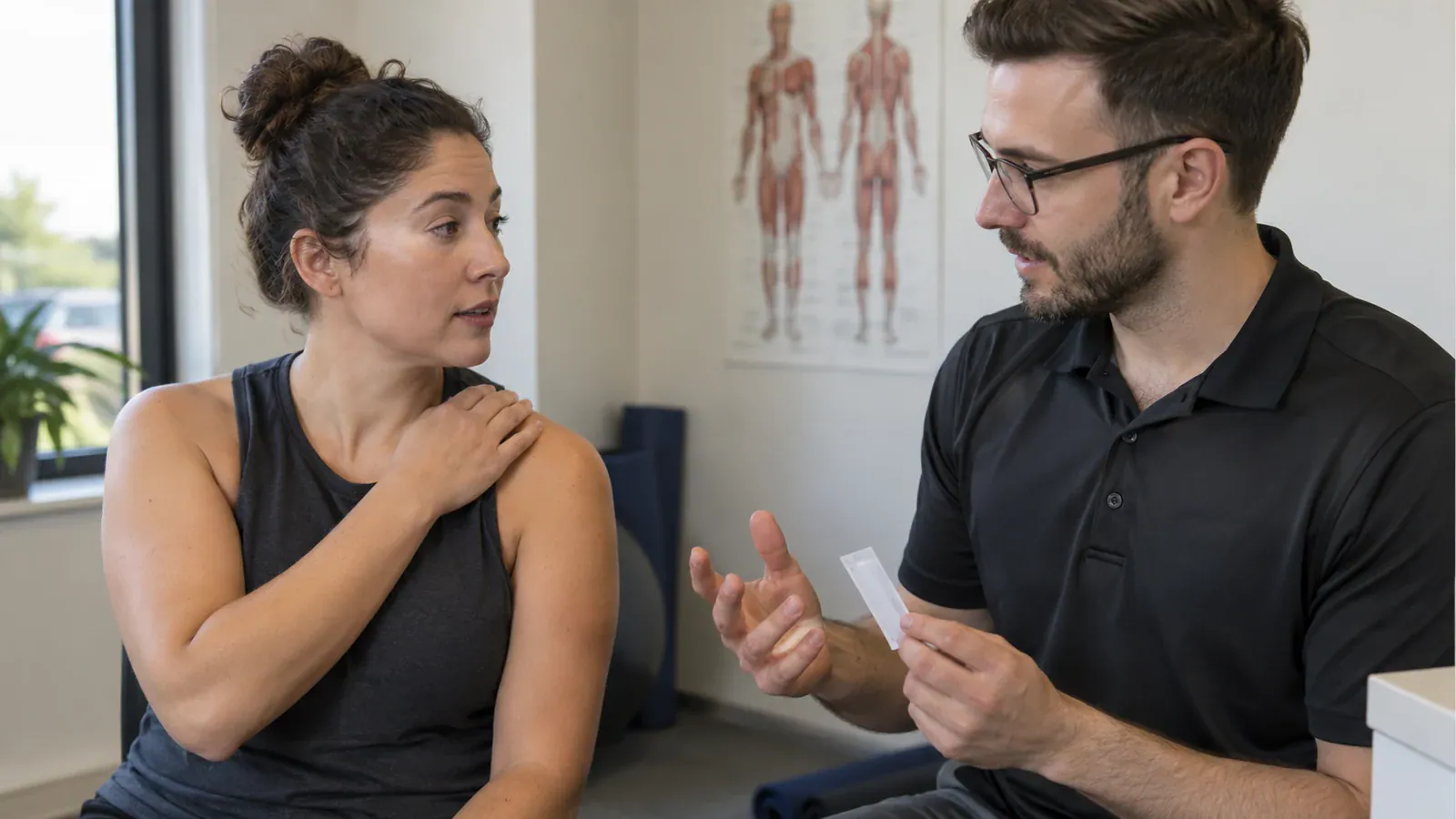
Ask where the needle will go and what the practitioner expects you to feel before it is placed. If a position or touch already hurts, say so. The practitioner can explain whether that information changes the plan. Needling should follow an assessment and your informed consent, not be performed because a general description says it often helps.
What is a muscle twitch, and is it required?
A muscle may contract briefly while the practitioner works near a sensitive point. Some people describe this as a twitch, a quick ache or a cramp-like feeling. It can be surprising, so ask the clinician what it may feel like and how they will check in. A twitch is not something you should try to produce yourself, and its absence does not mean you failed treatment.
You can ask what the practitioner is trying to learn or change with the technique and how they will judge whether it helped. That answer should include your movement, comfort and function, not only whether a needle produced a particular sensation. The plan may also include movement, exercises or other care. One dramatic feeling during treatment is not proof of a lasting result.
How long might soreness last afterward?
Soreness during or after needling is described as a common effect in the Cleveland Clinic guide. Mild bruising or stiffness can also occur. Ask what is expected for the site treated, whether you may continue normal activities and what would be unusual enough to contact the clinician. The answer should account for your work, sport or other plans after the appointment.
If you have a physical task coming up, mention it before the procedure. A clinician can discuss whether treatment timing or another approach is more suitable. Do not assume that more soreness means more benefit. Write down unexpected symptoms and when they began so you can describe them accurately if you need advice.
What if the area hurts the next day?
Ask for aftercare instructions before you leave, including which activities are reasonable, what to do with a small bruise and who to contact if soreness is stronger than expected. A next-day ache may be one of the temporary effects described in patient information, but the cause and importance of a symptom cannot be settled by that fact alone. Notice whether it is easing, staying the same or worsening, and tell the clinician if it interferes with normal activity or worries you.
Location matters. Soreness in a treated muscle is a different question from a new symptom elsewhere, such as breathing difficulty after needling near the chest. Seek urgent medical assessment for serious or rapidly worsening symptoms. If you need to describe the event to another clinician, say that you had dry needling, which area was treated and when the symptom began. Do not wait for a scheduled follow-up simply because most people have only mild effects.

Which feelings mean I should speak up during treatment?
Tell the practitioner about pain that feels sharp, intense or different from what was explained; dizziness or feeling faint; or any other sensation that worries you. Ask for a pause immediately. You can change your mind about the technique at any point. The clinician should check what you are experiencing and decide whether to adjust, stop or seek another assessment.
Before treatment, ask how sterile single-use needles are handled, what areas will be treated and what risks apply to those areas. Needling near the chest and other sensitive anatomy requires particular care; a practitioner should be able to explain their training and safety process. Serious complications are uncommon, but low risk is not zero risk. If you develop severe or concerning symptoms afterward, seek prompt medical advice rather than waiting for a routine follow-up.
Who should discuss extra precautions first?
Tell the clinician if you take blood-thinning medication, have a bleeding issue, are pregnant, have a weakened immune system, have recently had surgery or have had a difficult reaction to needles. These are reasons to discuss individual risk and alternatives, not a complete online list of who may or may not receive treatment. Do not stop a prescribed medicine to make an appointment possible without advice from the prescriber.
Fear of needles is also a valid reason to talk about another option. You can ask how the practitioner would treat your concern without needling. The US National Center for Complementary and Integrative Health’s low-back-pain overview notes that evidence for dry needling depends on the condition and study. It does not make the procedure necessary for every person with back pain, let alone every other concern.
Is dry needling the same as acupuncture or an injection?
No medicine is injected in the dry-needling technique described here. Acupuncture also uses thin needles, but the assessment, treatment framework and practitioner training may differ. A shared tool does not make the two services interchangeable. If you are comparing them, read the separate dry needling and acupuncture service pages and ask each practitioner what they would recommend for your specific concern. Do not choose by a promise that one method never hurts.
What should I ask before booking at Alleviate?
Ask whether the appointment begins with an assessment, who would perform the needling, what their training and professional scope are, what other options are available, and what to expect afterward. Our Katelyn Lloyd and Kelly Chambers profiles can help you identify questions for our dry-needling team; confirm the actual provider and appointment in online booking. Use these details to prepare questions about the approach that may suit you.
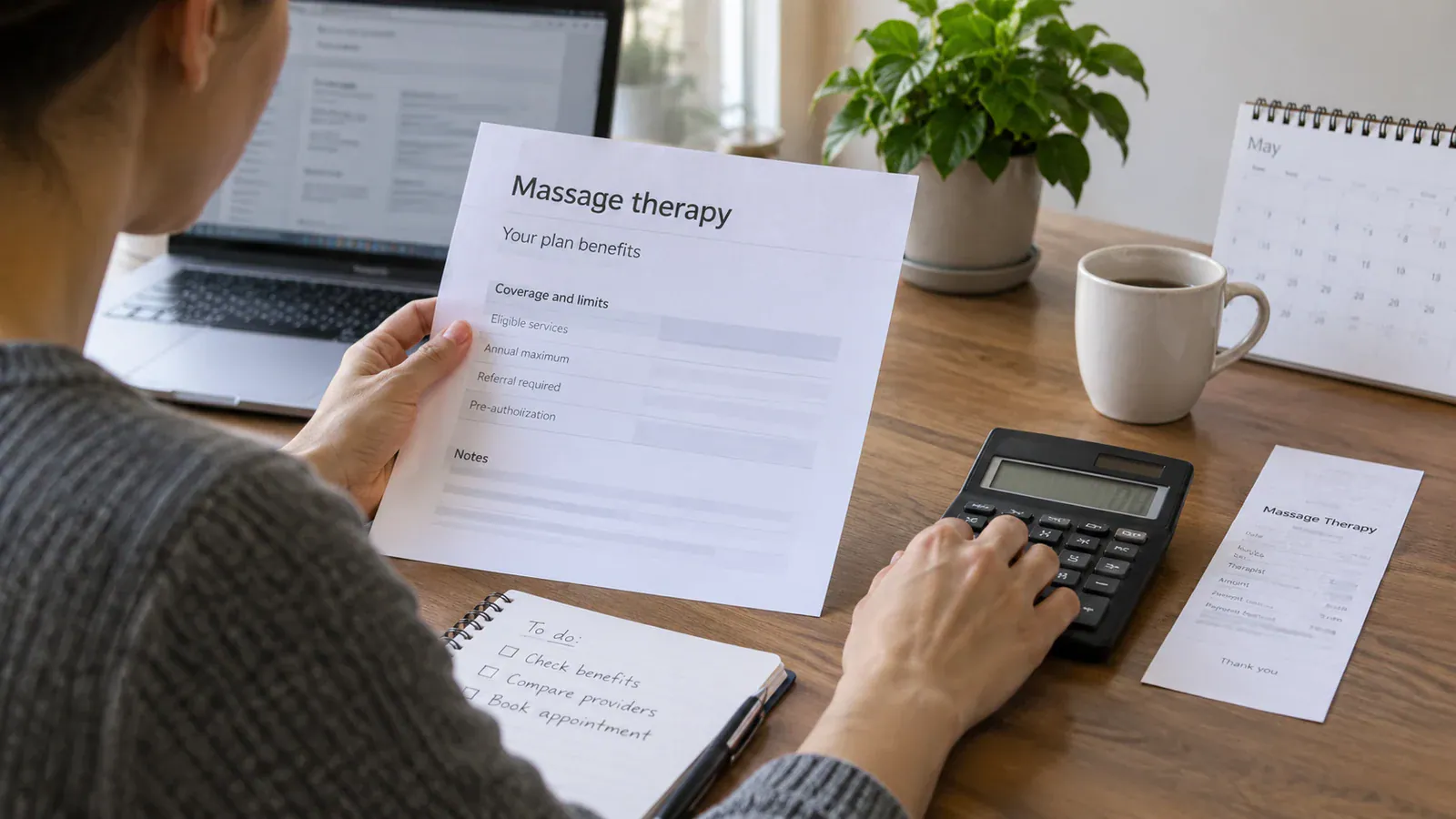
All our practitioners are insurance eligible, and we offer direct billing with all listed insurers. Ask about the fee and your plan’s athletic therapy benefits; your plan determines reimbursement. If you prefer to avoid needles, say so when contacting our team. A reasonable first step is a conversation about your concern and choices, not an obligation to receive dry needling.
Our clinic serves Garden City and North Winnipeg from 770 Leila Avenue, Winnipeg. Contact our team to confirm the current practitioner and appointment, or review the dry-needling service details before you book online.