
Dry Needling in Winnipeg
Muscle pain or tightness can make everyday movement difficult. At Alleviate, our athletic therapists offer dry needling as one option within your care. We assess your concern, explain your choices and help you decide whether needling fits your goals.

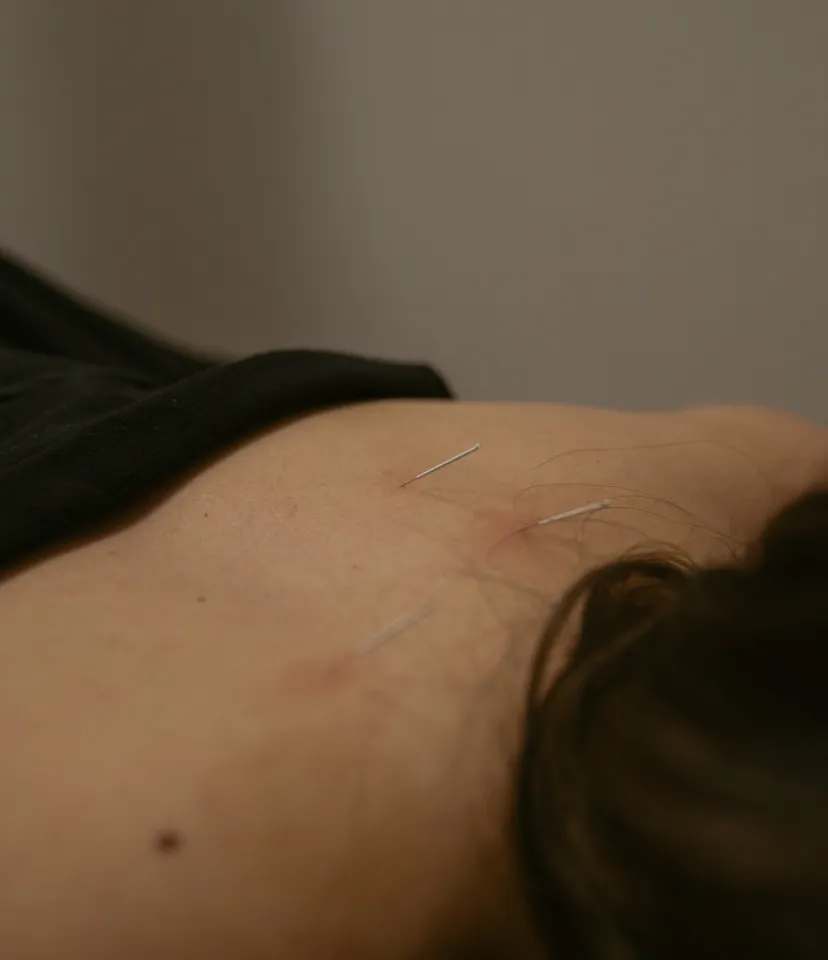
What is dry needling?
Dry needling uses fine, solid needles in selected muscle areas. No medicine is injected. It may help some people with muscle-related pain, but it is not the right approach for every concern.
At Alleviate Holistic Health in Winnipeg, we offer dry needling in person as part of athletic therapy. Your assessment helps us understand what affects your movement and which options to discuss. You can choose care without needles.
Research suggests dry needling can help with short-term pain relief for some musculoskeletal conditions. Evidence for longer-term benefits and changes in function is less certain. We use your symptoms, movement and goals to guide the conversation, rather than promise a particular result. Read the research review.
How dry needling can fit into your care
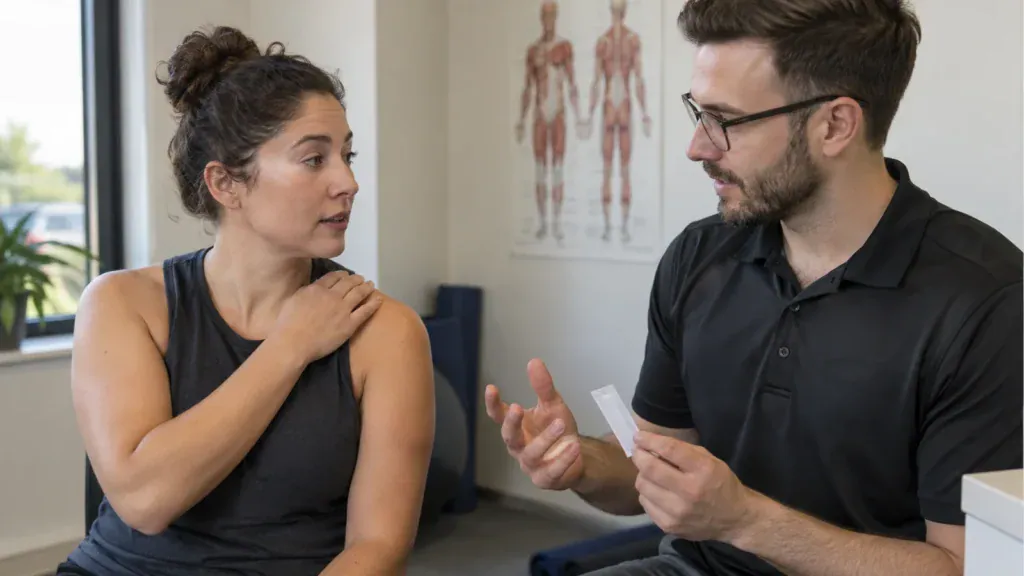
Focused muscle care
We begin with the area that is troubling you and how it affects your day. If needling is appropriate, your practitioner explains the proposed treatment area, expected sensations and risks before asking for your consent.
What might I feel?
You may notice a brief prick, pressure, a deep ache or a muscle twitch. Tell us if anything feels uncomfortable or different from what was explained.
What if I prefer not to have needling?
You can choose an approach without needles. Tell us what you are comfortable with so we can discuss alternatives that fit your assessment and goals.
Will I receive dry needling at my first visit?
Not necessarily. Your initial appointment starts with an assessment. Needling is considered only if it is suitable for your concern and you choose it; booking an assessment does not commit you to treatment.
Can I ask to pause or stop?
Yes. Your consent is ongoing. Tell us if you want a pause, a change in pace or to stop. Agreeing to needling at the start does not mean you have to continue.

Movement and rehabilitation
Needling is one possible part of an athletic therapy plan. Depending on your assessment, we may also discuss movement, exercise or hands-on care to support the activities that matter to you. The goal is a useful plan for your concern, not a needling session for its own sake.
Do I need to be an athlete?
No. Our athletic therapists also work with people whose concerns affect everyday movement, work or recreation. We start with your needs and activity goals.
How many sessions will I need?
There is no fixed number that suits everyone. We review how you feel during treatment and afterward to decide whether to continue, adjust your plan or consider another approach.
How can exercise fit into my care?
If exercise is part of your plan, it should reflect your symptoms, goals and current comfort. Ask for clear instructions about what to do and how to adjust if an activity is uncomfortable. There is no standard exercise list for everyone.
What should I track between visits?
Ask your practitioner what changes to note between appointments, such as which everyday activities feel easier or harder and how long any changes last. Sharing this information helps you review the plan together. Bring up new or worsening concerns rather than waiting for a routine visit.
Not sure where to start?
Book an initial assessment for a new concern. We can help you choose a practitioner and talk through your questions before you decide about needling.
Is dry needling a suitable option for me?
You may want to discuss dry needling if muscle discomfort, tightness or an injury is affecting your movement. An assessment comes first: symptoms alone do not tell us whether needling is appropriate.
When an assessment may help
Muscle discomfort or tightness affects your everyday movement.
An injury has changed how you manage work, recreation or usual activities.
You want to discuss whether needling or another approach fits your concern.
Before treatment, tell us about
Your health conditions, medications and any bleeding concerns.
Pregnancy, recent surgery, infection or skin concerns near the treatment area.
Previous reactions to needles, fainting or worries about the procedure.
Do not stop prescribed medication to prepare for needling unless your prescriber advises it.
Understand the risks. Temporary soreness, minor bleeding or bruising can occur. Less common but serious complications can include infection or injury to underlying structures, including a lung when needling near the chest. Your practitioner should explain the risks relevant to the proposed area. Seek urgent medical care for chest pain or difficulty breathing after needling; do not wait for a routine follow-up. Learn about risks and consent.
Book the right starting point
Choose an initial assessment
Start here for a new injury or concern.
Pick your practitioner and time
Katelyn Lloyd and Kelly Chambers offer dry needling appointments. Check our booking system for current availability.
Share relevant information
Complete the requested intake information and tell us about medications, health conditions and needle concerns.
Come in for your assessment
We discuss your options before any needling begins.
What happens at the first visit?
Your assessment
We ask about your symptoms, health history and what you would like to get back to doing. Your practitioner assesses the concern and discusses whether dry needling or another approach is suitable.
Your choice and consent
If you choose needling, we explain the proposed technique and obtain your consent. Our clinic uses individually packaged sterile needles, skin preparation and safe sharps disposal. You can ask questions throughout the appointment.
Before you leave
Before you leave, discuss what to expect afterward, how to manage your usual activities and when to contact us. Your next step depends on your assessment and response; follow-up care is not the same for everyone.
Dry needling appointment fees
These are the current listed our booking system appointment fees. Confirm the total charge when booking. For a new injury or concern, choose an initial assessment.
Insurance and payment
Dry needling at our clinic is billed as athletic therapy. All our athletic therapists are eligible for insurance coverage, and we offer direct billing with all the insurers listed on our website. Check your athletic therapy benefits, referral requirements and reimbursement limits. You are responsible for any amount your plan does not cover.
Meet our dry needling team
Katelyn Lloyd and Kelly Chambers are athletic therapists offering dry needling at Alleviate. Read about their backgrounds and choose the practitioner you would like to see.


What patients say about Alleviate
Read feedback about care across our clinic.
Explore other physical health services

Athletic Therapy

Acupuncture
More about what dry needling feels like
Learn about sensations during treatment, soreness afterward and questions to ask before your appointment.
Is dry needling the same as acupuncture?
Both use thin needles, but they are different services at our clinic. We offer dry needling within athletic therapy for muscle-related concerns. Our separate acupuncture service uses a Traditional Chinese Medicine approach. Your concern, preferences and assessment help guide which option to discuss.
How should I prepare for my appointment?
Wear comfortable clothing that allows access to the area you want assessed, and follow the instructions in your appointment confirmation. Bring relevant health and medication information. Tell us if you are worried about needles or have had a previous reaction.
Can I exercise after dry needling?
Ask your practitioner about your specific activity plans before treatment. Aftercare depends on the area treated, your response and your health. We do not give every person the same return-to-exercise timeline.
How long can soreness last?
Mild muscle soreness may last about 24–36 hours after dry needling; bruising can last longer. Your response may differ, so ask your practitioner what to expect and when to contact us. Worsening, unusual or concerning symptoms need advice rather than an assumption that they are part of recovery. Read more about dry needling and recovery.
Where is the clinic?
We are at 770 Leila Avenue in Winnipeg, serving Garden City and North Winnipeg. Visit our contact page for directions and help planning your visit.
Take the next step with a dry needling assessment
Explore current appointment times with our athletic therapists. If you have questions about the service or booking, our team can help you find a starting point.